Small Space Living: 7 Practical Rules for Clutter-Free Organization
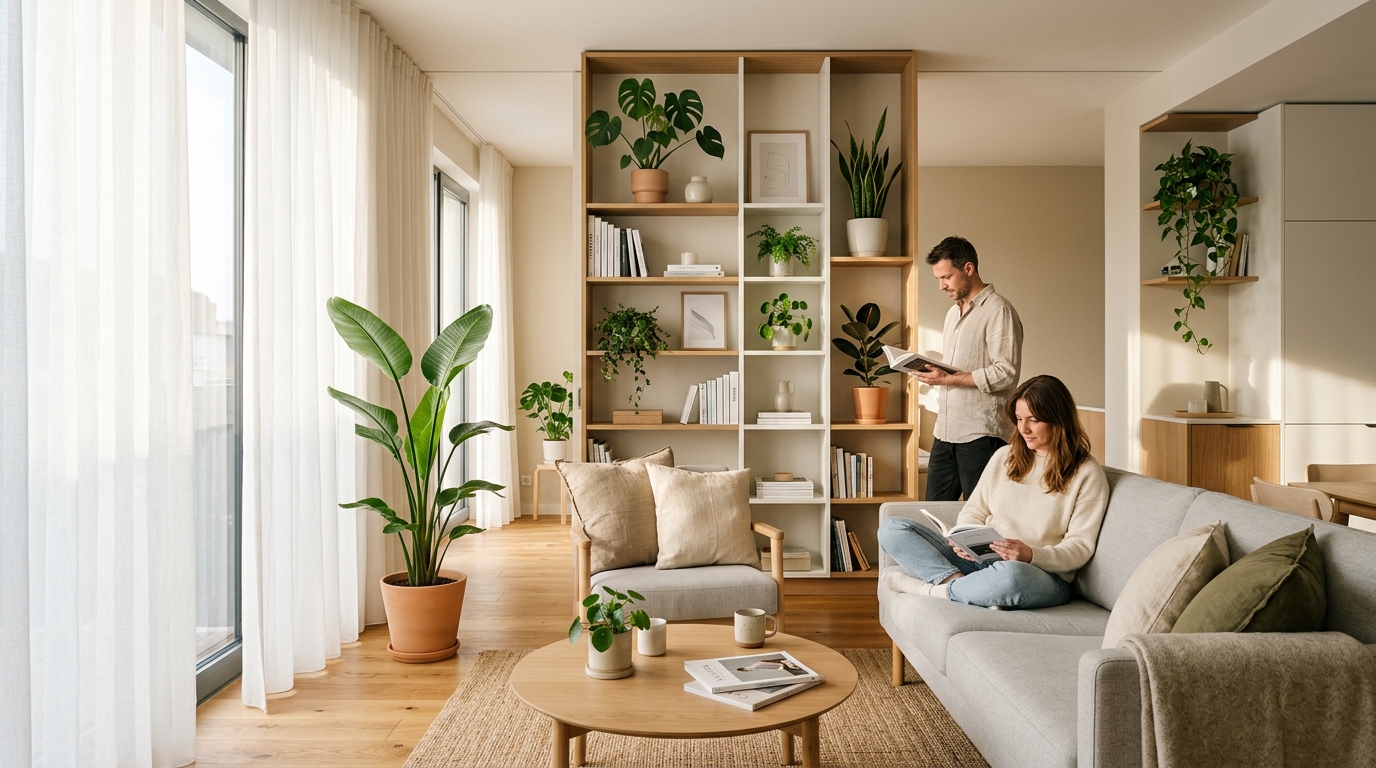
Living in a compact apartment or small home presents a unique set of daily challenges. When square footage is constrained, everyday clutter compounds exponentially. A jacket tossed over a chair or three unopened pieces of mail left on the kitchen counter does not just look untidy; it visibly shrinks the usable boundaries of your living environment.
Overcoming the limitations of small-space living does not require aggressive minimalism or discarding everything you cherish. Instead, it demands intentional spatial boundaries, multi-functional furniture arrangements, and consistent domestic habits. In this comprehensive guide, we unpack seven field-tested organization principles specifically designed for small living spaces.
1. The One-Touch Principle for High-Traffic Surfaces
In smaller homes, flat horizontal surfaces—such as coffee tables, entry consoles, and kitchen countertops—act like natural clutter magnets. The One-Touch Principle states that an item should only be physically handled once between its active use and its designated storage location.
When you arrive home with groceries, mail, or a winter coat, the natural instinct is often to drop them temporarily on the nearest flat surface. However, “temporary resting spots” frequently become permanent clutter piles. By committing to placing your coat immediately on its hanger and sorting mail directly over the recycling bin, you prevent transitional clutter from ever taking root.
2. Exploit Vertical Plane Real Estate
When floor space is scarce, your walls represent your most underutilized asset. Standard furniture arrangements only utilize the lower three to four feet of vertical volume, leaving valuable cubic footage entirely dormant.
- Full-Height Bookshelves: Replacing two low credenzas with a single floor-to-ceiling vertical shelving unit doubles your storage capacity while preserving valuable floor perimeter.
- Over-the-Door Organizers: The backs of pantry, closet, and bathroom doors provide excellent concealed storage for spices, cleaning supplies, and toiletries.
- Floating Wall Racks: Mounting floating wall ledges keeps desks and nightstands free of miscellaneous cords, reading glasses, and books.
3. Implement the Functional Zones Strategy
In studio apartments or open-concept floor plans, a lack of clear physical walls can cause work, dining, and relaxation activities to bleed into one chaotic space. Dividing your room into clear functional zones provides psychological structure and visual clarity.
| Zone | Visual Boundary Tool | Organization Rule |
|---|---|---|
| Workstation | Directional task lighting & desk pad | Zero personal items; packed away at end of workday. |
| Dining / Food Prep | Drop-leaf table & pendant light | Countertops wiped clear before every meal. |
| Rest & Sleep | Area rug & acoustic room divider | No laptops or work documentation permitted. |
4. Multi-Purpose Furniture with Concealed Cavities
Every piece of major furniture in a small dwelling must justify its footprint by performing at least two distinct functions. Opt for storage ottomans that serve as extra guest seating while concealing spare throw blankets, bed frames with integrated under-bed pullout drawers, or extendable dining tables that double as study desks.
5. The “One-In, One-Out” Equilibrium Rule
Storage capacity in a compact apartment is a finite physical constant. If you acquire a new pair of shoes, a kitchen appliance, or a decorative object, commit to donating or discarding a corresponding item from that category. This equilibrium rule prevents gradual storage creep and ensures your closets never exceed manageable density.
6. Cable and Visual Noise Reduction
Clutter is not just physical; it is also visual. Exposed power cables snaking across baseboards, mismatched packaging on open shelving, and excessive wall decor produce cognitive fatigue. Using cable management sleeves, neutral storage baskets, and uniform glass containers creates a serene, cohesive visual backdrop that makes modest square footage feel noticeably expansive.
7. The 10-Minute Nightly Reset
Rather than letting dishes, throw pillows, and laundry accumulate until a grueling weekend cleaning session, institute a non-negotiable 10-minute nightly reset routine. Resetting throw cushions, clearing kitchen sink basins, and returning stray items to their designated containers ensures you wake up each morning to a tranquil, organized home.
Summary & Action Plan
Small-space living thrives on intentional habits rather than square footage. Start today by choosing one flat surface in your home—such as your entryway table—and applying the One-Touch Rule for the next seven days. Once that routine is established, incorporate vertical storage solutions and enjoy the profound calm of an organized living space.
For more home care strategies, explore our guide on Sustainable Home Maintenance: Simple Monthly Habits for Longevity.