Mindful Exploration: How to Experience Cities Beyond the Tourist Trail
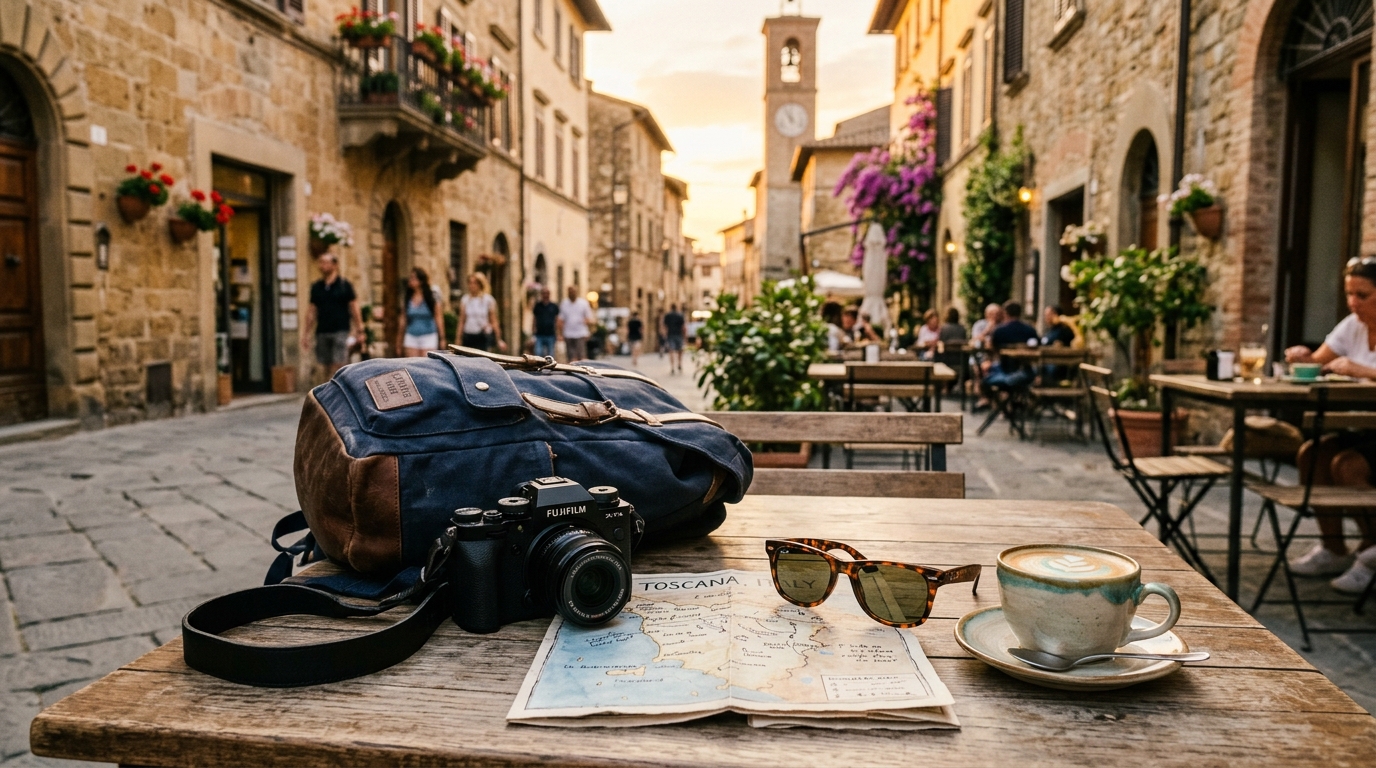
In the age of social media algorithms and geo-tagged viral reels, tourism has increasingly converged into homogenized bucket-list checklists. Millions of travelers arrive in historic global cities only to spend hours waiting in identical selfie queues outside the same three monuments, eating at overpriced tourist traps, and departing without ever catching a genuine glimpse of local life.
Mindful urban exploration offers a refreshing alternative. It shifts the traveler’s objective from passive consumption to curious observation. Here is how to step off the well-trodden tourist corridors and discover the authentic cultural texture of any global metropolis.
1. The “Flâneur” Walking Strategy
The nineteenth-century French concept of the flâneur describes a passionate observer who strolls through city streets without a fixed destination, attuning themselves to the natural rhythm of neighborhood life.
On your next journey, dedicate one full morning to wandering without navigation apps. Choose a residential district two metro stops away from the historic city center. Follow compelling side streets, observe morning bakery deliveries, and listen to the cadences of everyday conversation. Unplanned discoveries—a tucked-away bookshop or a neighborhood coffee counter—invariably become your most cherished memories.
2. Seek Out Municipal Public Markets
If you want to understand what a city truly eats and values, skip the trendy dining precincts and head straight to the municipal public food market at 8:00 AM. Markets are the beating cultural heart of any community. Observe the seasonal produce arriving from surrounding agricultural valleys, watch neighborhood cooks converse with butchers, and sample local street snacks alongside everyday residents.
3. Utilize Public Transit as a Cultural Lens
Relying exclusively on ride-share vehicles insulates you from the civic reality of a city. Take the local tram, bus line, or subway. Beyond being exceptionally cost-effective, public transit gives you a genuine perspective on community geography, architecture, and civic life.
4. Support Independent Micro-Enterprises
Practice conscious travel economics by directing your tourism expenditures toward local independent family businesses. Choose family-run bistros, independent regional bookstores, and neighborhood artisans rather than international corporate chains. This ensures your financial impact directly sustains the cultural heritage of the host community.
Conclusion
Memorable travel is not measured by the quantity of famous landmarks checked off a checklist; it is measured by the depth of your personal engagement with a place. By slowing down, wandering mindfully, and seeking authentic everyday interactions, you discover the true soul of any city.
Discover restorative weekend destinations in our guide to The Art of Weekend Travel: How to Plan Restorative Short Getaways.